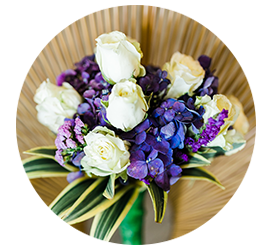
Wedding flowers Drury Lane real cost and timeline
Posted on 04/10/2026
Wedding flowers Drury Lane real cost and timeline: what to expect before you book
Planning wedding flowers in Drury Lane can feel a bit like trying to keep a champagne glass steady in a busy room: beautiful, exciting, and slightly nerve-racking all at once. The real cost and timeline for wedding flowers Drury Lane couples need to know depends on the size of the wedding, the flowers you choose, the venue logistics, and how much design support you want along the way. If you are trying to budget properly, avoid last-minute panic, and get flowers that actually suit the day, this guide lays it all out in plain English.
Below, you will find a practical breakdown of pricing expectations, planning stages, lead times, and the decisions that usually make the biggest difference. We will also look at what tends to get overlooked, because truth be told, that is where many wedding flower budgets go sideways.
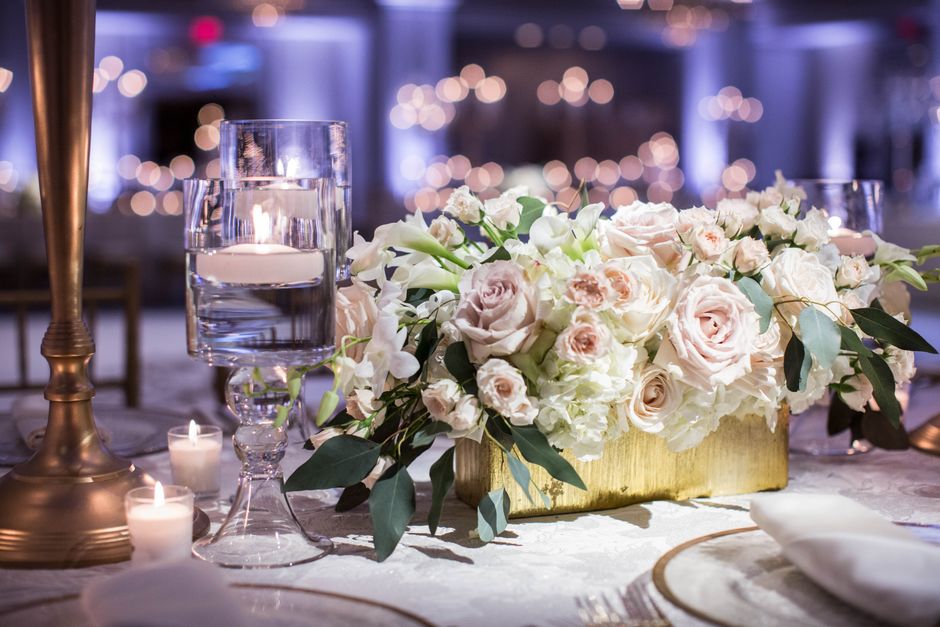
Table of Contents
- Why Wedding flowers Drury Lane real cost and timeline Matters
- How Wedding flowers Drury Lane real cost and timeline Works
- Key Benefits and Practical Advantages
- Who This Is For and When It Makes Sense
- Step-by-Step Guidance
- Expert Tips for Better Results
- Common Mistakes to Avoid
- Tools, Resources and Recommendations
- Law, Compliance, Standards, or Best Practice
- Options, Methods, or Comparison Table
- Case Study or Real-World Example
- Practical Checklist
- Conclusion
- Frequently Asked Questions
Why Wedding flowers Drury Lane real cost and timeline Matters
Flowers are not just decoration. For a wedding, they shape the mood of the room, frame the photos, and quietly tie everything together. In a central London area like Drury Lane, they also need to work around venue access, delivery windows, and the general reality of busy streets, loading bays, and tight timing. That is why understanding the real cost and timeline matters before you fall in love with a style board.
Most couples start with the look and then ask about price. Fair enough. But flowers are one of those wedding elements where design, seasonality, and installation time all affect each other. A simple bridal bouquet may be straightforward, yet a ceremony arch, reception table flowers, and matching bridesmaid bouquets can quickly become a larger production than expected.
The other reason this topic matters is decision fatigue. Wedding planning already throws enough at you. Once you know what goes into flower costs and how early you need to book, it becomes much easier to make calm, sensible choices. You stop guessing. And you can focus on the details that actually matter, like whether you want soft white roses, a mix of colour, or something more modern and structured.
Expert summary: Wedding flowers are usually easiest to manage when you treat them as a planned project, not a last-minute purchase. Budget first, book early, confirm venue access, and build the design around the day rather than around a fantasy Pinterest board.
How Wedding flowers Drury Lane real cost and timeline Works
The real cost of wedding flowers in Drury Lane is usually built from four parts: the flower types, the number of items, the amount of design work, and the delivery or setup requirements. A bridal bouquet costs less than a full ceremony-and-reception installation, obviously, but the hidden variable is labour. Creating, transporting, and placing arrangements takes time, and that time is part of the price.
A useful way to think about it is this: the flowers themselves are only one piece of the puzzle. Fresh stems, conditioning, mechanics for arrangements, ribbon, vases, delivery, set-up, and sometimes on-site adjustments all play a role. If you need flowers to arrive at a precise time, or if the venue has restricted access, that can influence the quote too. Central London weddings often need tighter scheduling than suburban events. No drama, just reality.
Timeline works in stages. Couples usually start with inspiration and a rough guest count, then move to a consultation or enquiry, then a quote, then final design confirmation, and finally production close to the wedding date. Fresh flowers are typically arranged nearer the day itself so they look their best. That is normal. In fact, that is the point.
For local weddings, especially around theatre district venues and hotels near Drury Lane, the logistics can be just as important as the flowers. If your florist is also handling bridal bouquets, bridesmaid flowers, buttonholes, table arrangements, and possibly a ceremony feature, you should expect a proper planning process rather than a quick same-week decision.
What affects the real cost most?
- Flower choice: roses, orchids, lilies, lisianthus, seasonal blooms, or premium stems all vary in price.
- Seasonality: flowers in season are often easier to source and generally easier to price.
- Size of the wedding: 20 guests and 120 guests are very different flower jobs.
- Installation complexity: table arrangements are simpler than large ceremony structures.
- Venue access: limited loading, stairs, or tight turnaround can add labour.
- Lead time: rush work can be possible, but it narrows options.
What affects the timeline most?
- How early you enquire.
- How quickly you confirm the design.
- Whether you want bespoke flowers or a ready-to-order range.
- Whether your venue has specific delivery windows.
- How much styling and setup is required on the day.
A practical example: if you only need a bridal bouquet, one bridesmaid bouquet, and a few buttonholes, the planning window can be relatively short. If you want ceremony flowers, a long top table, guest tables, and matching reception pieces, you should allow considerably more time. It is not just about ordering stems. It is about making the whole event flow properly.
Key Benefits and Practical Advantages
Getting clear on cost and timeline early has several benefits. The obvious one is budget control. But the less obvious one is peace of mind. Once you know what your flower plan actually requires, the wedding starts to feel more manageable. A lot less wobble. A lot less "have we forgotten something?"
There is also a design benefit. When you plan early, you can choose flowers that suit the season, the dress, the venue light, and the mood of the day. A candlelit room near Drury Lane might need softer tones and richer textures. A bright daytime ceremony may suit lighter colours and cleaner shapes. The design improves when timing is respected.
Another advantage is supplier availability. In a busy area, florists and delivery slots can fill up quickly, particularly during popular wedding months. If you leave flowers too late, you may have to compromise on favourite stems or accept a less ideal setup schedule. Nobody wants that final-week scramble when you are already juggling seating plans and shoe decisions.
- Better budgeting: fewer surprises, clearer spend, stronger priorities.
- More design choice: early booking usually means better options.
- Less stress: fewer urgent decisions the week before the wedding.
- Better venue fit: flowers can be matched to the room, not forced into it.
- Smarter use of money: spend where guests will notice most, save where they will not.
One subtle advantage is consistency. If the same florist is handling the bouquet, buttonholes, and table arrangements, your flowers are more likely to feel like part of one joined-up story. That matters more than people think. It is the difference between "nice flowers" and a wedding that feels beautifully considered.
Who This Is For and When It Makes Sense
This guide is for couples planning a wedding near Drury Lane who want a realistic picture of floral spend and timing, not just a dreamy mood board. It is especially useful if you are comparing suppliers, trying to work out what is worth paying for, or wondering how soon you really need to book.
It makes sense for you if any of the following sound familiar:
- You want wedding flowers but do not want the budget to spiral.
- You are planning a ceremony, reception, or both in central London.
- You need bouquets, buttonholes, and table flowers to all work together.
- You are trying to choose between a simple package and a more bespoke design.
- You are concerned about delivery timing or venue restrictions.
It also helps if you are helping someone else plan, like a parent, sibling, or wedding coordinator. Wedding flowers can be emotional, oddly enough. They often carry more meaning than people expect. A bouquet can become part of the photos you treasure years later, and a well-chosen arrangement can make even a modest room feel intentional.
If you are working with a smaller budget, it still makes sense to plan early. That is not just florist advice; it is practical wisdom. You can often do more with seasonal flowers, fewer statement pieces, and a thoughtful colour palette than with a rushed, overcomplicated design.
And if your wedding is in a more premium setting, the timeline matters even more. Central venues tend to have tighter load-in windows, and the room may need to be turned around quickly between events. In that case, a florist who understands the flow of the day is worth their weight in roses.
Step-by-Step Guidance
Here is a practical way to approach wedding flowers Drury Lane real cost and timeline without getting overwhelmed.
- Start with the basics. Decide what you actually need: bouquet, bridesmaid bouquets, buttonholes, ceremony flowers, table arrangements, or all of the above.
- Set a budget range. Not a perfect number. A range. That gives room for realistic options and avoids disappointment.
- Choose your visual direction. Soft and romantic? Bold and modern? White and green? Colourful and seasonal? The style shapes the spend.
- Check venue rules and timings. Ask about access, delivery windows, and any restrictions on candles, water, petals, or installations.
- Discuss flower preferences and substitutions. Some stems are seasonal or weather-sensitive, so flexibility helps the arrangement stay beautiful and sensible.
- Request a clear quote. Make sure it covers design, materials, delivery, setup, and collection if relevant.
- Confirm the final details in good time. Small changes are normal. Last-minute redesigns are where budgets get stressed.
- Plan for wedding-week coordination. Someone needs to know who accepts the delivery and where everything goes.
A good florist will usually help you work through these stages in a calm, step-by-step way. If you feel rushed or pushed into an expensive design without a proper conversation, pause. You are allowed to ask questions. In fact, you absolutely should.
One small but important detail: ask whether flowers will be delivered ready to place or fully installed. Those are not the same thing. Ready-to-place can work well for simple weddings. Full setup is better when you want the room styled with precision, and it often takes more coordination.
Typical planning timeline
| Stage | What happens | Practical note |
|---|---|---|
| Early enquiry | You share date, venue, and broad style ideas | Best done as soon as the venue is booked |
| Quote and design | Florist suggests options and pricing | Expect discussion around seasonal flowers and quantities |
| Confirmation | You finalise order and timings | Helpful to lock this in before peak wedding season fills up |
| Wedding week | Flowers are prepared, conditioned, and scheduled for delivery | Fresh flowers are usually arranged close to the day |
| Delivery day | Bouquets and arrangements arrive or are installed | Someone should be available to receive them |
Expert Tips for Better Results
If you want better value without sacrificing the feel of the day, there are a few decisions that consistently make a difference.
1. Spend on the pieces people see most
The bridal bouquet, ceremony focal point, and top table usually create the biggest visual impact. If your budget is tight, start there. Guests will remember the statement moments, not every single stem on a side table.
2. Be open to seasonal swaps
Seasonal flowers often give you the best balance of freshness, availability, and cost. If your heart is set on one specific flower, fine, but a flexible palette often looks more natural anyway. A good florist can keep the feel while adjusting the ingredients. That is the trick.
3. Keep the design language simple
Three to five clear floral choices usually read more elegantly than a crowded mix of everything and the kitchen sink. Simple can be very refined. Honestly, it often photographs better too.
4. Match flowers to the venue light
A darker room near evening can swallow delicate pastel flowers. A bright room may benefit from stronger tones or more structure. Think about how the flowers will look at the exact time of the wedding, not just in a sample photo.
5. Ask about reusable pieces
Some flowers and arrangements can move from ceremony to reception. That kind of repurposing can improve value without making the day feel cut down. It just needs a bit of planning, which, admittedly, is where people sometimes get lazy.
6. Protect the timeline with a single point of contact
One person should be responsible for receiving flower deliveries and answering the florist on the day. Otherwise, timing can get messy very quickly. A venue coordinator, wedding planner, or trusted friend works well.
There is also a quiet benefit to booking early: you give yourself room to breathe. Wedding planning is full of tiny decisions. When the flowers are sorted, one big item stops hanging over your head. That relief is real.
Common Mistakes to Avoid
Most flower problems are avoidable. They usually happen when couples underestimate logistics or leave decisions too late. It is not a character flaw. It is just how wedding planning goes when the calendar starts to sprint.
- Booking too late: this limits your choice and can make the whole process feel rushed.
- Giving only a vague brief: "nice and elegant" sounds lovely, but it is not enough to build a proper quote.
- Ignoring venue rules: some rooms have strict access or setup windows.
- Forgetting transport and set-up time: flowers do not arrange themselves, sadly.
- Chasing too many flower varieties: too much variety can push up cost and muddy the design.
- Not checking what is included: delivery, installation, and collection may not all be in the same price.
- Changing the design at the last minute: small changes are okay, but major shifts can affect sourcing and budget.
A common one is assuming every arrangement is made the same way. A bouquet and a table centrepiece are very different products, even if they share flowers. One is handheld and tightly styled. The other has to sit happily in a room for hours. Different job, different cost.
Another mistake is spending heavily on one thing and forgetting the rest. A gorgeous bouquet with no plan for buttonholes, table flowers, or ceremony styling can make the day feel unbalanced. You do not need everything. But you do need a plan.
Tools, Resources and Recommendations
You do not need fancy software to plan wedding flowers well, but a few simple tools make life easier.
- A mood board: keep images of colours, bouquet shapes, and venue photos in one place.
- A guest and table plan: useful for estimating how many arrangements you actually need.
- A wedding timeline: helps coordinate delivery with hair, makeup, and venue access.
- A budget note: track what is confirmed, what is optional, and what can be cut if needed.
In practical terms, it also helps to browse a florist's wedding range before you request a quote. For example, viewing the wedding collection can help you understand the style direction available, while bridal bouquet options and bridesmaid bouquet styles give you a more grounded sense of what may suit your day.
If you are trying to keep spend under control, it is also worth looking at the broader range of arrangements and price points. A florist's budget-friendly flower options can be helpful when you need to balance beauty with practicality. For couples who want a more polished finish, exploring luxury flowers can show what a premium design path may look like.
Delivery matters too, especially if you are planning around a tight wedding schedule. It is sensible to understand the florist's delivery approach before finalising anything. And if you have a question that needs a human answer, the simplest route is usually to contact the florist directly rather than guessing.
One more practical recommendation: if your wedding flowers need to coordinate with gifts or extra event pieces, keep the style consistent. Even a small touch, like matching floral colours across bouquets and table arrangements, can make the whole event feel cohesive without adding unnecessary cost.
Law, Compliance, Standards, or Best Practice
Wedding flowers themselves are not heavily regulated in the way some other event services are, but there are still sensible standards and best practices to follow. In London, especially at central venues, access rules and setup procedures can be strict. Your florist may need to work within loading times, service lifts, or venue management requirements. That is normal, and it is worth checking early.
Good practice also means clear communication about substitutions. Fresh flowers are seasonal and subject to availability, so a trustworthy florist should explain when an exact stem may be replaced with something similar in style and value. That does not mean the design is less considered. It means it is being handled properly.
Payment terms, cancellation rules, and delivery responsibilities should also be clear in writing. You should know what happens if your timing changes, if the venue window shifts, or if there is a need to adjust the order. A good set of terms protects both sides and avoids awkwardness later.
If flowers are being installed in public-facing or shared spaces, the florist should also be mindful of safety and practical placement. Arrangements should not block exits, create trip hazards, or interfere with venue operations. Simple stuff, but it matters. A beautiful room still has to function.
For sustainability, many couples now ask about sourcing, packaging, and reuse. That is a perfectly reasonable conversation. It is not about perfection; it is about making sensible choices where you can. Reusing arrangements, selecting seasonal stems, and reducing waste are all common best-practice considerations.
Options, Methods, or Comparison Table
The right floral plan depends on your budget, your venue, and how much you want the flowers to do on the day. Here is a simple comparison that may help you decide.
| Approach | Best for | Typical timeline | Practical upside | Watch-out |
|---|---|---|---|---|
| Simple wedding flowers | Small weddings, tight budgets, registry-style ceremonies | Can be planned relatively quickly if dates are flexible | Lower cost, easier logistics | Less dramatic visual impact |
| Mid-range bespoke flowers | Most couples wanting a personalised look | Best booked well in advance | Good balance of style and value | Needs clear brief to avoid scope creep |
| Premium full-service styling | Large weddings, statement venues, complex setups | Requires longer planning and confirmation | Strong visual consistency, less day-of stress | Higher cost and more coordination |
If you are unsure where you sit, ask yourself one simple question: what do the flowers need to do? Just accompany the day? Or shape the whole atmosphere? That answer usually leads you to the right level of spend.
Sometimes couples think they need a huge floral display because that is what they keep seeing online. But the truth is, a well-chosen bouquet and a few well-placed arrangements can be more memorable than a room packed with flowers that do not suit the venue. Less can absolutely be more. Funny old thing, that.
Case Study or Real-World Example
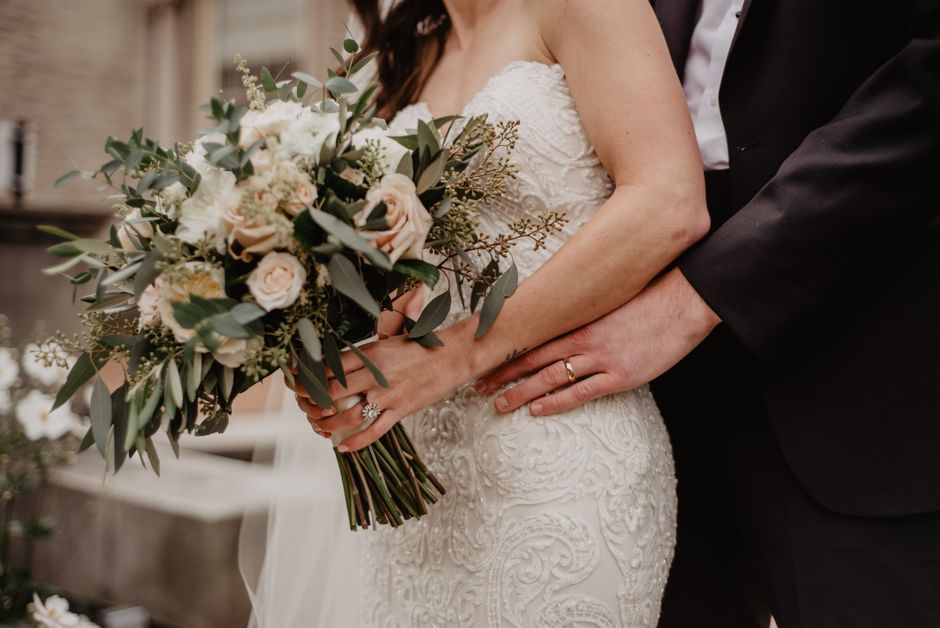
Here is a realistic example based on a typical central London wedding plan, without any made-up drama. A couple planning a small-to-medium wedding near Drury Lane wanted a white-and-green look with a soft romantic feel. They needed a bridal bouquet, two bridesmaid bouquets, four buttonholes, and flowers for the ceremony table plus the top table at the reception.
At first, they assumed the bouquet would be the main expense and the rest would be minor. Once the florist walked them through delivery timing, table counts, and the difference between hand-tied arrangements and display pieces, the budget made more sense. They decided to keep the ceremony design simple and invest more in the bouquet and reception top table. That gave them a stronger visual result without overspending on low-impact pieces.
They also checked access at the venue early, which turned out to be wise. The delivery window was tighter than expected, and there was only a short setup period. Because this was confirmed in advance, the florist could plan production accordingly. No last-minute chaos. No frantic phone calls. Just a smooth handover and a room that felt finished when guests walked in.
What they learned was quite simple: the real cost was not just about flowers, but about decisions. Every extra arrangement, every special stem, and every minute of setup added to the overall picture. Once they understood that, they could prioritise properly. And that is usually the turning point for couples.
Practical Checklist
Use this checklist to keep your flower planning on track.
- Confirm your wedding date, venue, and ceremony time.
- List every floral item you may need: bouquet, bridesmaid flowers, buttonholes, table pieces, ceremony arrangements, and any extras.
- Set a realistic budget range, not just one number.
- Gather reference images for style, colour, and shape.
- Check venue access rules, delivery windows, and setup restrictions.
- Ask what is included in the quote: flowers, labour, delivery, installation, and collection.
- Discuss seasonal alternatives and substitution preferences.
- Confirm who will receive the flowers on the day.
- Leave room for a small contingency in the budget.
- Reconfirm the final order before the wedding week begins.
If you can tick all ten, you are in a much better place than most couples who leave florals until the last minute. Not perfect. Just calmer. And calmer is underrated.
Conclusion
Wedding flowers Drury Lane real cost and timeline is really about planning with your eyes open. Once you understand what shapes the price, how timing works, and where the practical pressure points sit, the whole process becomes much easier. You can choose with confidence instead of guesswork. You can ask smarter questions. And you can protect the parts of the day that matter most.
For many couples, the best floral plan is not the biggest one. It is the one that fits the venue, suits the season, and arrives without stress. That is the sweet spot. Beautiful, sensible, and well timed.
Get a free quote today and see how much you can save.
Frequently Asked Questions
How much do wedding flowers cost in Drury Lane?
The cost varies depending on the number of arrangements, the flowers chosen, and whether you need delivery or on-site setup. A simple bouquet-only order will cost far less than a full ceremony and reception package. The best approach is to share your exact needs and ask for a clear written quote.
When should I book wedding flowers for a Drury Lane wedding?
As soon as you have your date and venue confirmed is the safest answer. Popular wedding dates can fill up quickly, especially in central London. Booking earlier usually gives you better choice and less pressure later on.
What is the typical timeline for wedding flowers?
The process usually starts with an enquiry and quote, then moves to design confirmation, and finally preparation close to the wedding day. Fresh flowers are normally arranged nearer the event so they look their best. The exact lead time depends on how complex the order is.
Can I get wedding flowers at short notice?
Sometimes, yes, especially for smaller orders. But short notice reduces flexibility on flower choice and delivery timing. If the wedding is in a busy central location, it is much better to book early rather than rely on last-minute availability.
What flowers are best for a wedding bouquet?
That depends on the style of the wedding, the season, and the look you want. Roses, lilies, lisianthus, orchids, and seasonal mixed flowers are all common choices. A florist can help you choose stems that suit the dress, venue, and budget.
How many flower arrangements do I really need?
That depends on how visible you want the flowers to be. Some couples only need a bouquet, buttonholes, and a few table pieces. Others want ceremony flowers, reception styling, and coordinated bridesmaid bouquets. Start with the essentials and build from there.
Are seasonal flowers cheaper for weddings?
They often are, or at least they are usually easier to source and more consistent in quality. Seasonal flowers also tend to look natural in the setting they are used in. If budget matters, seasonality is worth discussing early.
Do I need to pay extra for delivery and setup?
Often, yes, particularly if the florist is delivering to a central London venue or installing larger arrangements. Always check what the quote includes. Delivery, installation, and collection can be separate items depending on the florist and the job.
How can I keep wedding flower costs under control?
Choose a clear colour palette, focus spend on high-impact pieces, and stay open to seasonal substitutions. It also helps to avoid overcomplicating the brief. A simpler plan can look far more elegant than a crowded one.
What if my venue has tight access or a short setup window?
Then the timeline needs to be planned carefully from the start. Tell the florist early so they can schedule delivery and setup realistically. In busy areas like Drury Lane, venue access is often one of the biggest practical factors.
Can wedding flowers be reused from the ceremony to the reception?
Yes, in many cases. Ceremony flowers can sometimes be moved to the reception if the schedule and logistics allow it. This can improve value and reduce waste, though it needs planning in advance.
How do I know if a flower quote is good value?
Look at what is included, not just the headline price. A good quote should explain flowers, labour, delivery, setup, and any substitution policy. Value is about clarity, reliability, and how well the final design matches your wedding plans.
What should I send to a florist before asking for a quote?
Share your date, venue, rough guest count, inspiration images, flower preferences, and budget range. The more useful the brief, the more accurate the quote. It saves everyone time and helps the florist suggest realistic options.
Planning flowers for a Drury Lane wedding does not have to feel heavy. Once you understand the timing and the real costs, it becomes another part of the day you can actually enjoy, which is the whole point, really.